Hey Doodle: A Creative Solution for Hand-Drawn Design
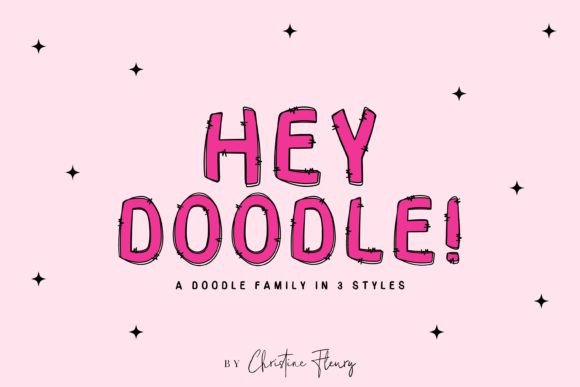
In the world of design, finding the right font can make all the difference between a good project and a great one. For those looking to add a personal, artistic touch to their work, Hey Doodle offers a unique solution with its hand-drawn doodle display font family. This versatile typeface comes in three distinct styles, making it ideal for a wide range of creative projects.
Whether you're designing for print, digital media, or custom merchandise, Hey Doodle provides a fresh and expressive alternative to traditional fonts. Its playful yet professional aesthetic allows designers to convey creativity without sacrificing clarity. With options like doodle solid letters, plain outlines, and double doodle outlines, there's a style to suit every need.
Understanding the Challenges of Font Selection
Choosing the right font can be a daunting task, especially when you want to maintain a cohesive visual identity while standing out from the crowd. Many designers struggle with finding a font that balances personality with readability, particularly for projects that require a hand-crafted feel. Traditional fonts often lack the warmth and uniqueness that hand-drawn styles provide.
This is where Hey Doodle shines. By offering a range of styles, it gives designers the flexibility to match the tone and purpose of their work. Whether you're creating a logo for a boutique brand or designing a greeting card, the right font can elevate the entire project and make it more memorable.
How Hey Doodle Can Help
Hey Doodle is designed with practicality in mind. Its hand-drawn appearance adds a human touch that can make designs feel more authentic and engaging. This is especially useful for brands that want to communicate a sense of creativity, warmth, or individuality. The font's versatility ensures that it can be used across various platforms and formats without losing its character.
One of the key benefits of Hey Doodle is its adaptability. The three available styles—doodle solid, plain outline, and double doodle outline—allow for different levels of detail and visual impact. For instance, the doodle solid style is perfect for headlines and logos where boldness is needed, while the plain outline can be used for subtle accents or decorative elements. The double doodle outline adds an extra layer of intricacy, making it ideal for intricate designs or detailed illustrations.
Practical Applications of Hey Doodle
The applications of Hey Doodle are as diverse as the creative industries themselves. From sublimation prints on mugs and t-shirts to SVG graphics for digital projects, this font can enhance any design that benefits from a hand-drawn aesthetic. It's also well-suited for branding, where a unique font can help a business stand out in a competitive market.
For example, a small business owner looking to create a custom logo might find Hey Doodle to be an excellent choice. The font's distinctive style can help the brand appear more approachable and creative, which can resonate with customers who value originality. Similarly, a designer working on a series of greeting cards could use the font to add a personal, handmade feel that makes each card feel special.
Considerations for Using Hey Doodle
While Hey Doodle is a powerful tool, it's important to consider how it will be used in different contexts. For instance, when using the font in digital formats like websites or social media, it's essential to ensure that the file size and format are compatible with the platform. Additionally, when printing, the font should be tested at various sizes to maintain legibility and visual appeal.
Another consideration is the balance between style and readability. While the doodle outlines add a decorative element, they should not compromise the clarity of the text. It's recommended to test the font in different scenarios to determine which style works best for the intended purpose.
Exploring Different Approaches to Design
Designers may approach the use of Hey Doodle in different ways depending on their goals and preferences. Some may focus on using the font for bold, eye-catching headlines, while others may prefer to incorporate it as a subtle background element. The flexibility of the font allows for experimentation and customization, making it a valuable asset for any creative project.
For example, a graphic designer working on a branding campaign might use the doodle solid style for the main logo and the plain outline for supporting text, creating a cohesive yet dynamic look. On the other hand, a textile artist might use the double doodle outline to add intricate details to fabric patterns, enhancing the overall design with a handcrafted feel.
Conclusion
Hey Doodle is more than just a font—it's a creative tool that empowers designers to express their vision with a unique and personal touch. Its three distinct styles offer flexibility, making it suitable for a wide range of applications. Whether you're working on a logo, a print project, or a digital design, Hey Doodle can help you achieve a fresh and engaging look that stands out from the rest.
By understanding the needs of your project and experimenting with the different styles, you can unlock the full potential of Hey Doodle and elevate your designs to new heights. With its blend of creativity and functionality, this font is a valuable addition to any designer's toolkit.