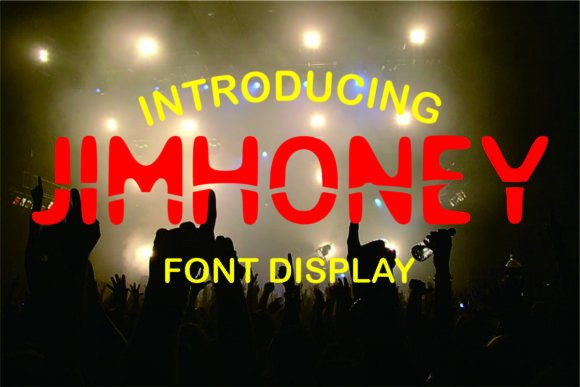
Jimhoney: A Bold and Creative Display Font for Real-World Design
Jimhoney is more than just a font—it's a design tool that brings personality and authenticity to any project. With its hand-drawn, slightly irregular style, it adds a unique touch that feels personal and real. Whether you're working on a t-shirt design, a quote poster, or a label for a product, Jimhoney can make your work stand out in a crowd.
Real-World Applications of Jimhoney
One of the most common uses for Jimhoney is in graphic design projects that require a casual, approachable feel. For example, if you're creating a t-shirt with a motivational quote, using Jimhoney can give the text a handmade look that feels more like a personal message than a mass-produced slogan. This makes it ideal for independent designers, small businesses, or even DIY enthusiasts looking to add a unique flair to their creations.
Another area where Jimhoney shines is in packaging and labeling. If you're designing labels for a boutique coffee shop, a handmade soap brand, or a local bakery, this font can help create a sense of authenticity. It conveys a sense of care and craftsmanship that resonates with customers who value quality and individuality. The font’s organic shape also makes it easier to read in smaller sizes, which is a practical benefit for labels that need to be clear but still stylish.
Who Benefits from Using Jimhoney?
Designers who want to add a human element to their work often find Jimhoney useful. It’s especially popular among those working on branding projects that aim to feel more personal, such as indie brands, artisanal products, or community-driven initiatives. Its boldness ensures that it doesn’t get lost in a busy layout, making it a strong choice for headlines or key visual elements.
Business owners looking to differentiate their brand might also consider Jimhoney. For instance, a small café owner could use it for signage, menus, or social media posts to create a warm, inviting atmosphere. Similarly, a freelance artist might use it for promotional materials to give their work a more creative and expressive tone.
Scenarios Where Jimhoney Excels
Imagine you're designing a poster for a local art exhibit. Using Jimhoney for the title could make the event feel more personal and engaging. It adds a sense of creativity and energy that aligns with the artistic theme. In contrast, a corporate report or formal document would likely not benefit from this font, as its informal nature might clash with the expected professionalism.
For a wedding invitation, Jimhoney could be used to add a romantic, handwritten feel. It works well for phrases like "You're Invited" or "Join Us in Celebrating." However, it's important to consider the overall design of the invitation—using it too heavily or in the wrong context could make the message feel less formal or serious.
Considerations Before Using Jimhoney
Before choosing Jimhoney, it's important to think about the context in which it will be used. While it's great for creative or casual projects, it may not be suitable for everything. For example, if you're designing a website or app interface, you'll want to ensure that the font is legible across different screen sizes and resolutions. Jimhoney may not be the best choice for body text, but it can work well for headings or callout sections.
Another consideration is the availability of the font. Jimhoney may not be included in all design software by default, so users should check whether they need to download or purchase it separately. Additionally, when using it in commercial projects, it's essential to verify the licensing terms to avoid any legal issues.
Strengths and Limitations of Jimhoney
The main strength of Jimhoney is its ability to add character and a personal touch to any design. Its bold, uneven lines give it a distinctive appearance that stands out from more rigid, digital fonts. This makes it perfect for projects that aim to feel authentic or handmade.
However, there are some limitations. Because of its irregular shape, Jimhoney may not be as easy to read in long paragraphs or small sizes. It's best suited for short phrases, titles, or decorative elements rather than extended text. Also, its style may not fit every brand or project, so it's important to test it in different contexts before finalizing a design.
Practical Tips for Using Jimhoney
If you're new to using Jimhoney, start by experimenting with it in small ways. Try using it for a headline on a social media post or a tagline on a business card. This allows you to see how it looks without committing to a larger project. You can also pair it with other fonts to balance its boldness—using a clean, sans-serif font for body text while letting Jimhoney shine in the title or subheadings.
When working on a design project, consider the audience. If your target audience values creativity and individuality, Jimhoney can be a great fit. But if your audience prefers a more polished or traditional look, you may want to choose a different font. Always keep the purpose of the design in mind to ensure that the font supports the message you're trying to convey.