Discover the Joy of Happy Light: A Playful Font for Creative Projects
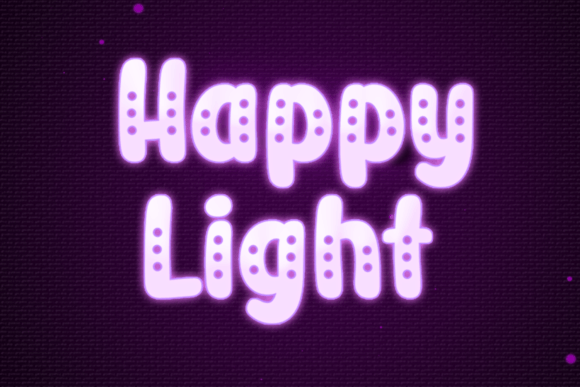
In the world of design, typography plays a crucial role in capturing attention and conveying emotion. One font that stands out for its unique charm and versatility is Happy Light. This eye-catching display font combines playful characters with a modern aesthetic, making it an ideal choice for a wide range of creative projects. Whether you're designing a cover title, a poster, or a website, Happy Light can add a touch of fun and personality to your work.
For designers and creators looking to make a statement, Happy Light offers a refreshing alternative to more traditional fonts. Its distinctive style can help your designs stand out in a crowded market, drawing viewers in with its lively and expressive character. This font is particularly well-suited for projects that aim to convey energy, positivity, or a sense of whimsy.
Challenges and Opportunities with Typography
Choosing the right font can be a challenge, especially when trying to balance aesthetics with readability. Many designers struggle with finding a font that is both visually appealing and functional across different mediums. Traditional fonts may lack the flair needed to make a project truly memorable, while overly stylized fonts can be difficult to read at smaller sizes.
Happy Light addresses these challenges by offering a design that is both engaging and legible. Its playful yet structured characters ensure that the font remains readable even in smaller sizes, making it suitable for a variety of applications. This balance between style and functionality makes Happy Light a valuable tool for designers looking to enhance their visual communication without sacrificing clarity.
How Happy Light Can Enhance Your Work
One of the key benefits of Happy Light is its ability to add a sense of personality to any design. Whether you're creating a logo, a banner, or a social media graphic, this font can help you express your brand's identity in a more dynamic way. Its unique shapes and curves allow for creative expression, enabling you to craft visuals that resonate with your audience on a deeper level.
Another advantage of Happy Light is its adaptability. It works well in both digital and print formats, making it a versatile choice for a wide range of projects. From website headers to fabric prints, this font can be used to create cohesive and visually appealing designs that align with your creative vision.
Practical Applications of Happy Light
The versatility of Happy Light means it can be applied in numerous ways. For example, it's perfect for use in cover titles, where a bold and eye-catching font can draw readers in and set the tone for the content within. In posters, Happy Light can be used to highlight key messages or create a sense of excitement around an event or product launch.
On websites, Happy Light can be used for headings and call-to-action buttons, helping to guide users through the site while maintaining a friendly and approachable feel. For banners and promotional materials, this font adds a touch of creativity that can make your message more engaging and memorable.
Fabric prints are another area where Happy Light shines. Whether you're designing t-shirts, tote bags, or other wearable items, this font can add a fun and expressive element to your designs. Its playful nature makes it ideal for projects aimed at younger audiences or those seeking a more lighthearted aesthetic.
Considerations for Using Happy Light
While Happy Light is a powerful tool, it's important to consider how it will be used in different contexts. For instance, when using the font in large-scale projects, such as billboards or signage, it's essential to ensure that it remains legible from a distance. Testing the font in various sizes and settings can help you determine the best way to incorporate it into your work.
Additionally, when pairing Happy Light with other fonts, it's important to maintain a balance that doesn't overwhelm the design. Choosing complementary typefaces that support rather than compete with Happy Light can help create a more harmonious and professional look.
Exploring Different Approaches to Design
Designers may approach the use of Happy Light in different ways depending on their goals and preferences. Some may choose to use it as a primary font for a project, while others may use it as a secondary element to add visual interest. The key is to experiment and find the right balance that suits your specific needs.
For those new to using display fonts, starting with small applications—such as a single heading or a button—can be a great way to get comfortable with Happy Light. As confidence grows, more ambitious uses can be explored, allowing for greater creative freedom and expression.
Ultimately, Happy Light offers a unique opportunity to bring a sense of joy and creativity to your work. By understanding its strengths and limitations, you can effectively incorporate it into your designs and achieve the desired impact. Whether you're working on a personal project or a professional campaign, this font has the potential to elevate your visual storytelling and make your work more engaging and memorable.