Boundary: A Vintage Display Font for Timeless Design
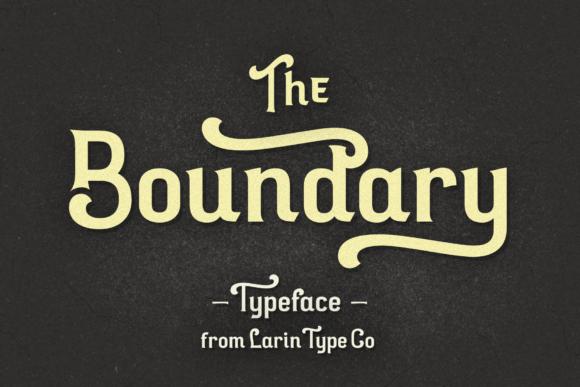
If you're looking for a font that captures the essence of old-time signage and logos, Boundary is the perfect choice. This vintage display font is designed to evoke the charm of bygone eras, making it ideal for projects that require a nostalgic or retro aesthetic. Whether you're working on a logo, branding material, or any design that benefits from a classic feel, Boundary offers a unique blend of style and functionality.
One of the standout features of Boundary is its PUA encoding. This means that users can easily access all the glyphs and swashes included in the font without needing special software or complex processes. For designers who value flexibility and control, this makes Boundary a practical and powerful tool.
Understanding the Needs and Challenges of Vintage Design
Many designers today face the challenge of creating work that feels authentic while still meeting modern standards. The demand for vintage-style designs has grown significantly, especially in industries like hospitality, fashion, and entertainment. However, finding the right typeface that balances nostalgia with usability can be difficult.
Traditional fonts often lack the character needed to convey a true vintage feel, while overly stylized options may not be versatile enough for different applications. This is where Boundary comes in. Its design is rooted in historical signage and logos, offering a bridge between the past and present. It allows designers to create visually compelling work that resonates with audiences looking for a sense of history and authenticity.
How Boundary Can Help Address Design Challenges
Boundary is more than just a font—it's a solution for designers who want to infuse their work with a timeless quality. Its clean yet ornate structure makes it suitable for a wide range of applications, from headlines and titles to full-scale branding projects. The font’s versatility ensures that it can be used effectively in both digital and print formats, giving designers the freedom to experiment with different visual styles.
For instance, a restaurant owner looking to create a menu or signage that feels like it belongs in a 1950s diner can use Boundary to achieve that retro look without sacrificing readability. Similarly, a graphic designer working on a packaging project might choose Boundary to give their design a nostalgic edge that stands out in a competitive market.
Practical Applications and Outcomes
The potential uses for Boundary are vast. It works well for logos, especially those aiming to communicate tradition, craftsmanship, or a connection to the past. It can also be used in editorial design, such as magazine covers or book titles, where a strong visual identity is essential. Additionally, Boundary is a great option for social media content, posters, and even web headers that need a touch of vintage flair.
When using Boundary, it's important to consider the context in which it will be applied. While the font is highly readable in larger sizes, it may not be the best choice for body text in long-form documents. Instead, it shines when used as a headline or accent element, drawing attention and setting the tone for the overall design.
Examples and Recommendations
Consider a small business owner who wants to create a brand identity that feels authentic and memorable. By incorporating Boundary into their logo and marketing materials, they can establish a visual language that speaks to customers who appreciate vintage aesthetics. This approach not only enhances the brand’s appeal but also helps differentiate it from competitors.
Another example could be a designer working on a film poster for a period piece. Using Boundary for the title can immediately signal the film’s era, helping to set the right expectations for the audience. In this case, the font becomes an essential part of the storytelling process, adding depth and context to the visual elements.
Approaches to Using Boundary
Designers may approach Boundary differently depending on their specific goals and creative vision. Some may use it as a primary font for a complete design system, while others may incorporate it as a complementary element to enhance certain aspects of their work. The key is to understand how the font interacts with other design elements, such as color, layout, and imagery.
For those new to vintage fonts, it's advisable to start with smaller projects and gradually build confidence in using Boundary. Experimenting with different weights and styles can help uncover the most effective ways to apply the font in various contexts. Additionally, testing the font across different mediums—such as print, web, and video—can provide valuable insights into its performance and adaptability.
Final Thoughts
Boundary is more than just a font; it's a tool that empowers designers to create work with a distinct personality and character. Its vintage inspiration, combined with practical features like PUA encoding, makes it a valuable asset for anyone looking to add a touch of nostalgia to their designs. Whether you're working on a personal project or a professional assignment, Boundary offers a reliable and stylish solution that meets the needs of modern design while honoring the past.